
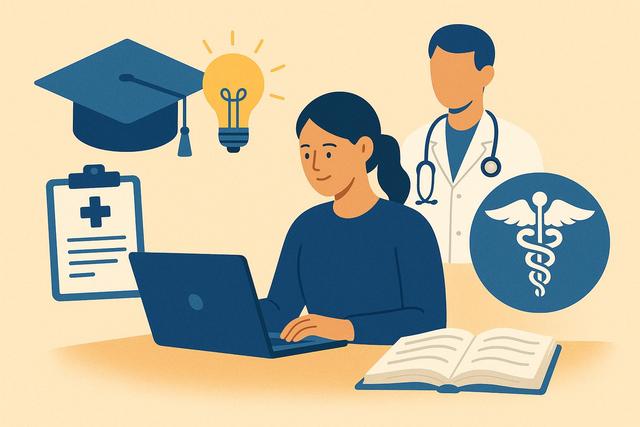
The healthcare sector is ever-evolving, with a growing need for qualified professionals. Online degrees for healthcare careers present a flexible and accessible pathway for aspiring individuals. This strategic guide delves into the various online educational opportunities, explores their applicability, and offers actionable insights for prospective students.
Understanding Online Degrees in Healthcare
The acquisition of healthcare qualifications through online platforms has transformed professional education. Online degrees offer the flexibility needed for those juggling prior commitments. Generally, they provide the same depth of knowledge as traditional degrees, but with enhanced accessibility.
Benefits of Online Healthcare Degrees
Online degrees support individuals in pursuing education without geographic constraints. With institutions like Johns Hopkins University and the University of Pennsylvania offering renowned programs, the credibility of online education has surged.
- Flexibility: Unmatched by traditional universities, online courses allow students to maintain jobs, care for families, and manage other responsibilities.
- Diverse Specializations: Access to a wide array of specializations and courses broadens professional horizons. From nursing to health informatics, online platforms cover numerous fields.
Online vs. On-Campus: A Comparison
A critical consideration for students is whether to study online or on-campus. Both have their pros and cons, depending entirely on student needs.
| Criteria | Online | On-Campus |
|---|---|---|
| Flexibility | High: suitable for remote learning | Limited to class schedules |
| Networking | Virtual networking and collaborations | In-person interactions |
| Cost | Generally lower costs | Higher tuition and associated costs |
| Recognition | Increasing acceptance | Long-established perception |
Popular Online Healthcare Degrees
While searching for online degrees for healthcare careers, it's crucial to select programs that align with career goals. Here are some popular and demanded degrees:
Bachelor of Science in Nursing (BSN)
A BSN is an excellent start for those aiming to become registered nurses. Programs like the one offered by the University of Illinois offer comprehensive curricula catering to diverse learning styles.
Master of Public Health (MPH)
For those interested in community health or health policy, an MPH is invaluable. With options from institutions like the University of California, these programs enhance analytical and strategic skills.
Health Informatics
The shift towards digital health records increases the demand for health informatics experts. Online courses from schools such as Boston University ensure graduates remain at the forefront of technological advancement.
Strategies for Choosing the Right Online Degree
Choosing the right degree is essential for career advancement. Here are key factors to consider:
- Accreditation: Verify that programs have recognized accreditation to ensure quality.
- Curriculum Relevance: Evaluate the curriculum to ensure it aligns with professional goals.
- Resource Provision: Ensure robust support services are offered, including career guidance.
Financial Considerations and Support
Cost is often a concern for prospective students. However, numerous scholarships and financial aids are available to ease the burden. Federal aid programs, as well as grants from organizations like the Healthcare Information and Management Systems Society (HIMSS), can minimize expenses.
Budget Planning Tips:
- Prioritize courses offering financial aid options.
- Consider part-time study to manage costs effectively while working.
Common Mistakes and Misconceptions
Missteps can derail your educational journey. Here are pitfalls to avoid:
- Ignoring Accreditation: Enrolling in a non-accredited program can lead to an education without professional value.
- Overlooking Demand: Pursuing a specialization without considering market demand can lead to job-search difficulty.
- Neglecting Balance: Underestimating the time commitment can result in stress and burnout.
Conclusion
Online degrees in healthcare are pivotal in meeting the evolving needs of the healthcare industry. By choosing an accredited and relevant program, balancing commitments, and using available resources, you can launch a successful healthcare career. Already, the flexibility and diversity of these programs cater to a wide range of learners pursuing career development.
Key Takeaways:
- Verify accreditation before enrollment.
- Align programs with career aims and market demands.
- Utilize financial support to mitigate costs.
Ultimately, thorough research and strategic planning are your best tools for making a robust entry into healthcare through online education.

