
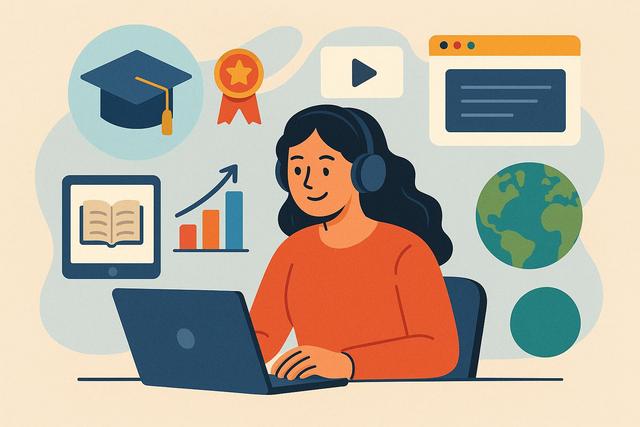
The digital revolution has dramatically changed how we learn, making education more accessible than ever. In this article, we will explore some of the top-rated e-learning platforms that are being utilized globally, providing insights into their unique features and what sets them apart.
The Rise of E-Learning Platforms
E-learning platforms have surged in popularity, fostering global connectivity and offering unprecedented access to knowledge. These platforms are transforming education by breaking geographical and financial barriers. As more people look for flexible learning options, understanding the e-learning landscape has never been more crucial.
Market Dynamics Driving E-Learning Growth
The primary factors propelling e-learning include increased internet penetration, a surge in mobile device usage, and the authorities' push for digital literacy. According to trends, the global e-learning market is expected to grow significantly in the coming decade, although exact numbers should be verified with updated sources. As technology evolves, so does the potential of these platforms.
Top E-Learning Platforms Globally
Many e-learning platforms have emerged, but some stand out due to their comprehensive content, user interface, and accessibility.
1. Coursera
Coursera collaborates with over 200 leading universities and companies to offer courses, specializations, and degrees. Its flexible learning model, peer-grade assignments, and community support make it a leader in the industry. Coursera is ideal for those seeking high-quality content and credentials.
2. edX
edX is a non-profit organization offering free courses from institutions like MIT and Harvard. Its unique selling proposition lies in its MicroMasters and professional certificates that bolster career advancement. edX is best for professional upskilling and those seeking formal education credentials.
3. Udacity
Udacity focuses on industry-relevant courses, primarily in technology and business. The platform is renowned for its "Nanodegrees"—programs co-created with industry leaders. Udacity serves individuals aiming for a career shift into tech industries.
4. Khan Academy
Khan Academy offers personalized learning for students of all ages. Its mission is to provide a free, world-class education that spurs deep understanding and passion for learning. Khan Academy’s interface is user-friendly, perfect for young learners and educators.
Choosing the Right Platform
Selecting an e-learning platform hinges on multiple factors such as content type, cost, flexibility, and credentials.
Factors to Consider
- Type of Content: Is it theoretical or practical?
- Learning Style Compatibility: Does it offer self-paced or instructor-led courses?
- Budget: Are there free options or scholarships available?
- Accreditation: Is the course provider reputable?
The key is to identify personal learning needs and match them with the platform's offerings.
Common Mistakes and How to Avoid Them
When choosing a platform, learners often make mistakes that can derail their plans.
Misconceptions to Watch Out For
- Underestimating Time Commitment: Online courses require discipline and time management. Underestimating time commitment can lead to incomplete courses or poor performance.
- Ignoring Accreditation: Not all platforms offer accredited courses, affecting career prospects.
- Overlooking Community and Support: Interaction and support can significantly enhance learning experiences, which is often ignored.
Future Trends in E-Learning
The future of e-learning is promising with technology at its forefront.
Emerging Technologies
- Artificial Intelligence: Personalized learning experiences and insightful analytics.
- Virtual Reality: Enhanced immersion in learning through simulated environments.
- Blockchain: Secure credentialing, boosting the credibility of online courses.
As these technologies mature, future platforms will likely adapt to offer more interactive and personalized learning experiences.
Frequently Asked Questions
What are the main benefits of e-learning?
E-learning offers flexibility, accessibility, cost savings, and a vast pool of resources, catering to diverse learning needs.
Can I get a legitimate degree through e-learning platforms?
Yes, many platforms offer accredited degrees and certificates in collaboration with universities.
How do companies perceive e-learning qualifications?
Many companies value e-learning qualifications, especially from reputable platforms, as they reflect self-motivation and adaptability.
Conclusion
E-learning platforms are reshaping education with an emphasis on accessibility and skill development. Choosing the right platform involves recognizing individual learning priorities and potential career benefits. As the digital landscape evolves, so too will these educational tools, pointing to a bright future for lifelong learners.

