
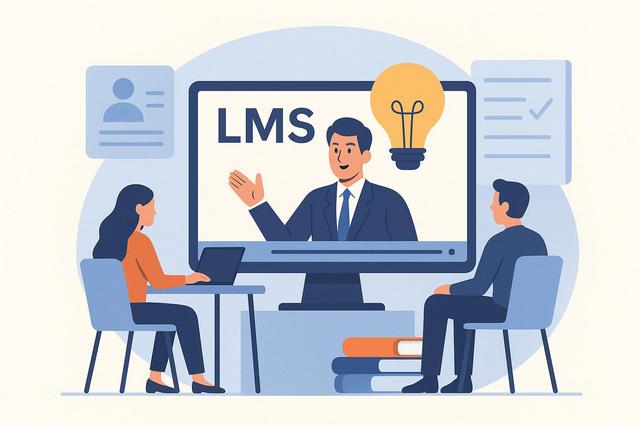
In the realm of corporate development, fostering a culture of continuous learning is vital for both employee engagement and organizational growth. Learning Management Systems (LMS) are pivotal in achieving these educational goals. They offer businesses the infrastructure needed to facilitate employee training, onboarding, and corporate learning programs efficiently. With diverse LMS platforms available, selecting the right one can be daunting. This guide provides a comprehensive overview of the top LMS platforms designed to meet corporate training needs.
Understanding Learning Management Systems
Learning Management Systems (LMS) are software applications or web-based platforms that facilitate the management, delivery, and measurement of learning or training programs. Tailored predominantly for corporate environments, LMS platforms offer a centralized approach to training that ensures a seamless flow of information and learning materials.
Real-World Applications
Organizations like IBM and Deloitte use LMS platforms to streamline their onboarding processes and ongoing training programs. An effective LMS promotes consistent teaching quality, trackable progress, and adaptable learning modules.
Key Features
- Content Management: Provides tools to create, distribute, and manage training material.
- Assessment Tools: Enables evaluations through quizzes, tests, and assignments.
- Analytics and Reporting: Tracks learner progress and course effectiveness.
- User-friendly Interface: Simplifies navigation for all users.
Top LMS Platforms Overview
The selection of an LMS platform should align with the specific training and business goals of the organization. Let's explore the leading options available today.
1. Moodle
Moodle is an open-source platform beloved for its flexibility and scalability. It's highly customizable, allowing companies to tailor training programs to their unique needs. However, it does require technical expertise for setup and maintenance.
2. SAP Litmos
SAP Litmos offers a cloud-based LMS solution known for its integration capabilities with other business applications. It's ideal for organizations seeking rapid deployment and mobile learning options.
3. TalentLMS
Focusing on an intuitive interface, TalentLMS offers a streamlined process for delivering training programs. It supports various content types and integrates with third-party applications seamlessly, making it an excellent choice for both small and large enterprises.
4. Cornerstone OnDemand
This platform is known for its extensive analytics tools, extensive libraries of learning resources, and social learning functionalities. Suitable for medium to large organizations, it excels in providing comprehensive training insights.
Comparison of Top LMS Platforms
| Feature | Moodle | SAP Litmos | TalentLMS | Cornerstone OnDemand |
|---|---|---|---|---|
| Customization | High | Medium | Medium | High |
| Integration Capabilities | Moderate | High | High | High |
| User-friendliness | Moderate | High | High | Medium |
| Cost | Less Expensive | Mid-range | Affordable | Expensive |
How to Choose the Right LMS for Your Organization
Assess Your Needs
Understanding your specific training needs and objectives is the first step in selecting the right LMS. For example, a small company might prioritize ease of use, while a large enterprise might focus on scalability and integration.
Consider the Cost
While open-source solutions like Moodle may seem cost-effective initially, remember that additional expenses related to customization and technical support can arise.
Evaluate Technical Support
Ensure that the LMS platform offers reliable customer support, especially if internal technical expertise is limited.
Common Mistakes and How to Avoid Them
- Ignoring User Experience: A complex interface can deter users from engaging with the platform. Always opt for an LMS with a simplified, user-friendly interface.
- Underestimating Integration Needs: Ensure the LMS can easily integrate with existing systems, such as HR software or communication tools.
- Lack of Strategic Planning: Ensure a clear roadmap for implementation and long-term usage is in place. This includes training for administrators and potentially end-users.
Conclusion
Selecting the right LMS platform is a strategic decision that impacts both employee development and organizational efficiency. Prioritize features that align with your business objectives and ensure the platform is adaptable to future needs.
Implementation Steps
- Analyze Training Goals: Define what you aim to improve or achieve through training.
- Research Platforms: Explore different LMS options, focusing on features, scalability, and user feedback.
- Pilot Test: Initiate a trial run within a small group to uncover any potential issues.
- Measure Success: Utilize analytic tools to measure the effectiveness and engagement metrics.
FAQs
What is an LMS?
An LMS is a platform that helps manage and deliver online trainings and educational courses.Can small businesses benefit from an LMS?
Absolutely. Many LMS platforms offer scalable solutions that cater to businesses of all sizes.Is technical expertise necessary to maintain an LMS?
While some platforms like Moodle require technical skills, cloud-based solutions often provide comprehensive support services.How does an LMS enhance corporate training?
By centralizing and standardizing the training process, LMSs improve the consistency and trackability of educational outcomes.

