
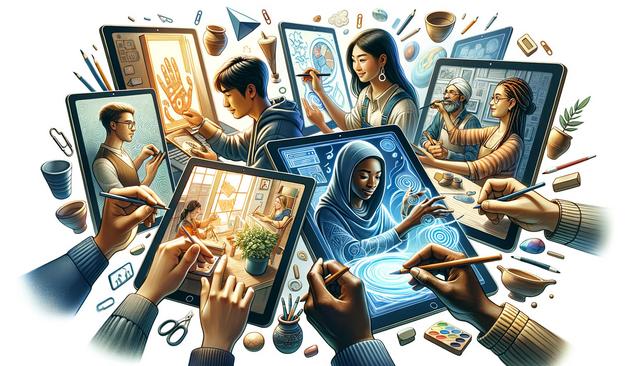
In a world increasingly leaning towards digital solutions, e-learning platforms for creative arts have emerged as powerful tools, especially for individuals interested in pursuing careers in creative arts. From graphic design to photography, the right e-learning platform can provide essential skills and knowledge to excel in various artistic fields. This article explores some of the top e-learning platforms that cater specifically to creative arts enthusiasts.
Creative arts can include practical subjects such as design, illustration, photography, animation, music, digital painting, UX/UI design, video editing, 3D modeling and game art. Online learning makes these subjects easier to access because learners can watch lessons, practice techniques and build projects from home.
Why Choose E-Learning for Creative Arts?
E-learning has transformed the way people pursue education. Here are a few reasons why it’s the preferred choice for learning creative arts:
- Flexibility: Learn at your own pace and schedule.
- Diverse Course Options: A wide array of courses specifically tailored to creative subjects.
- Affordable Learning: Many platforms offer courses at competitive prices, making it accessible.
For creative arts learners, flexibility is especially useful because practical skills often require repeated practice. A learner can pause a lesson, test a design technique, edit a photograph, or refine a digital artwork before moving to the next step.
E-learning also supports different learning goals. Some people want to discover a new artistic hobby. Others want to improve a portfolio, learn specific software, or build confidence in a creative workflow. Because the platforms below cover different formats and subjects, it is useful to compare them before choosing one.
Top E-Learning Platforms for Creative Arts
Here’s a closer look at some of the best e-learning platforms for creative arts:
| Platform | Creative arts topics mentioned | Useful learning format mentioned |
|---|---|---|
| Skillshare | Graphic design, photography | Hands-on projects and community discussions |
| Coursera | Graphic design, photography | Courses from institutions and certificates |
| Udemy | UX/UI design, digital painting, video editing | Beginner to advanced courses and certificates of completion |
| LinkedIn Learning | Adobe Photoshop, Illustrator, graphic design tools | Career development courses and a free month-long trial |
| Domestika | Design, animation, illustration | Project-based courses |
| CreativeLive | Photography, music, design | Paid courses and live, free classes |
| Pluralsight | Digital art, software development, game design, 3D modeling, game art | Learning paths from beginner techniques to advanced practices |
1. Skillshare
Skillshare is one of the best platforms for individuals who want to learn various skills in creative fields. With over 20,000 classes covering topics such as graphic design, photography, and more, Skillshare allows users to engage in hands-on projects and community discussions.
Hands-on projects are important in creative arts because they help learners apply what they see in a lesson. For example, a graphic design learner can follow a class, create a visual project, and use community discussions to exchange feedback or ask practical questions.
2. Coursera
Coursera offers courses from renowned institutions like Stanford University and the University of Pennsylvania. While it provides a broad range of subjects, their creative arts courses, particularly in graphic design and photography, are highly regarded. You can earn certificates that boost your CV while learning from experts.
Coursera may suit learners who prefer a more structured course format. Certificates can also help document completed learning, especially when a learner wants to show training on a CV alongside a portfolio.
3. Udemy
Udemy is a massive platform with numerous courses ranging from beginner to advanced levels. Users can choose from various creative arts topics, such as UX/UI design, digital painting, and video editing. Certificates of completion can be a great addition to your portfolio.
UX/UI design refers to the design of user experiences and user interfaces. In simple terms, it focuses on how people interact with digital products and how screens, buttons, layouts and visual elements are organized. Digital painting and video editing are also practical subjects where learners benefit from seeing step-by-step demonstrations.
4. LinkedIn Learning
LinkedIn Learning focuses on career development. The platform includes a section dedicated to creative arts, featuring courses on graphic design tools like Adobe Photoshop and Illustrator. Ideal for industry professionals looking to upskill or switch careers, LinkedIn Learning offers a free month-long trial.
Adobe Photoshop and Illustrator are commonly used graphic design tools. Photoshop is often associated with image editing and digital composition, while Illustrator is often used for vector graphics and illustration. Courses on these tools can help learners understand both technical features and creative workflows.
5. Domestika
Domestika is a community of creative professionals where users can find courses focused on design, animation, illustration, and more. Domestika’s courses are known for their high production quality and engaging content delivered by experienced creatives. Their unique project-based approach helps learners build impressive portfolios.
A project-based approach means that learners usually work toward a concrete creative result. This can be useful for design, animation and illustration because the final project can show both the process followed and the skills practiced during the course.
6. CreativeLive
CreativeLive is a platform dedicated to teaching skills relevant to creative professionals. The courses made available cover areas like photography, music, and design, often taught by leading professionals in the field. Users can buy courses outright or participate in live, free classes.
Live classes can help learners follow a lesson at a specific time and experience a more direct teaching format. Buying courses outright can also be useful for learners who prefer to return to lessons when practicing photography, music or design techniques.
7. Pluralsight
Pluralsight is an excellent choice for those interested in digital art, software development, and game design. This platform offers various paths for learners, from beginner techniques to advanced practices. Pluralsight is an especially great resource for anyone looking to dive into areas like 3D modeling and game art.
3D modeling is the process of creating three-dimensional digital objects. Game art can include visual assets used in games, such as characters, environments, textures or interface elements. For these subjects, learning paths can help organize skills in a more progressive order.
Tips for Choosing the Right E-Learning Platform
When selecting an e-learning platform for creative arts, consider the following tips:
- Personal Goals: Understand what you want to accomplish by learning and select a platform that aligns with those goals.
- Course Quality: Look for platforms that offer high-quality content and skilled instructors.
- User Reviews: Read user reviews and testimonials to gauge the efficacy of the courses.
- Trial Periods: Many platforms offer free trials or samples; take advantage of them to assess the teaching style and content quality.
A simple way to choose is to start with the skill you want to practice. For example, a learner focused on photography may compare course examples, instructor style and project format. A learner interested in UX/UI design may look for lessons that explain both visual design and user interaction. A learner interested in game art may prefer a platform that includes structured paths in 3D modeling or related digital art topics.
It can also help to check the level of each course before enrolling. Beginner courses usually explain core tools and basic vocabulary. Advanced courses may assume that learners already understand the software, workflow or artistic technique being taught.
FAQ About E-Learning Platforms for Creative Arts
What are e-learning platforms for creative arts?
E-learning platforms for creative arts are online services that provide courses in creative subjects such as graphic design, photography, illustration, animation, digital painting, music, video editing, UX/UI design, 3D modeling and game art.
Which creative arts skills can be learned online?
The article mentions several skills that can be learned online, including graphic design, photography, UX/UI design, digital painting, video editing, animation, illustration, music, software development related to creative work, 3D modeling and game art.
How can I choose the right platform for my goals?
Start by defining your personal goals, then compare course quality, instructor experience, user reviews and available trial periods or samples. This helps you assess whether the teaching style and course content match your needs.
Are certificates useful for creative arts learners?
Some platforms mentioned in the article offer certificates or certificates of completion. These can document completed learning and may complement a CV or portfolio, especially when the course is related to a learner’s creative goals.
Conclusion
Learning creative arts online offers unbounded opportunities to explore, innovate, and express your artistic vision. Each of these platforms caters to diverse needs in the creative field, whether you're a beginner or an experienced artist looking to refine your skills. By understanding which platform aligns with your learning goals, you can make the most out of your e-learning experience. Embrace this journey, as the world of creative arts awaits your unique contributions.
The best choice depends on the subject you want to learn, the type of course format you prefer and the way you plan to practice. Comparing e-learning platforms for creative arts through goals, course topics, project format and trial options can make the decision clearer and more practical.

