
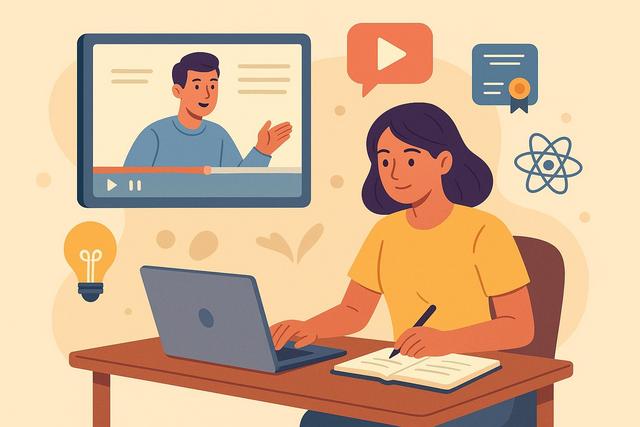
Free learning platforms can help you access quality learning resources online without paying for every course. In today's digital age, this is both an opportunity and a challenge. Sifting through countless offerings can be daunting. However, some platforms truly stand out, providing real educational value without the financial burden. This guide explores top free learning platforms, illustrating their unique offerings, real-world applications, and ways to strategically incorporate them into your personal and professional development.
The main goal is to choose resources that match your learning needs. A free course can be useful for discovering a new subject, strengthening existing skills, or testing a platform before paying for a certificate or a deeper learning path.
Understanding Free Learning Platforms
Free learning platforms offer courses and resources without cost, democratizing education. But not all are created equal.
A learning platform is an online space where learners can access lessons, videos, exercises, readings, forums, or practice activities. Some platforms focus on academic subjects. Others focus on practical skills such as coding, languages, business, or test preparation.
Defining Quality in Learning Platforms
A quality platform offers structured, well-curated courses with clear learning outcomes.
Clear learning outcomes help learners understand what they should be able to do after completing a course. For example, a course may aim to introduce data science basics, explain business concepts, improve SAT preparation, or support language practice.
Real-world Example: Coursera
Coursera offers MOOCs in partnership with universities. Auditing courses is free, providing access to high-level content.
A MOOC, or massive open online course, is an online course designed for a large number of learners. When a course can be audited for free, learners can usually access course content without paying for the certificate.
Data-Backed Quality
According to Class Central, Coursera had 87 million users in 2022, highlighting its widespread adoption.
Strategic Utilization
To benefit, identify courses that fill skill gaps or enhance existing knowledge.
A simple way to start is to define one learning objective before enrolling. This can be a practical objective, such as learning coding basics, reviewing school concepts, practicing a language, or exploring a business topic.
Actionable Insight
Prioritize platforms with certificates of completion, which can add weight to your resume.
Some platforms separate free learning access from paid certificates. This means the course content may be free to study, while the certificate may require payment. Checking this detail before starting helps avoid confusion.
Top Free Platforms and Their Offerings
Exploring top-tier platforms reveals those worth investing your time in.
The platforms mentioned below do not serve the same purpose. Some are useful for university-style courses. Others are better suited to school support, coding practice, or language acquisition.
Coursera and EdX
Free Course Audits
Both Coursera and EdX allow auditing courses for free, offering lectures, readings, and forums access.
This audit option can be useful when you want to explore a subject before committing to a paid certificate. It also helps learners focus on knowledge first, especially when the main goal is personal development or skill exploration.
Comparison Table: Coursera vs. EdX
| Feature | Coursera | EdX |
|---|---|---|
| Cost | Free audit, paid certificate | Free audit, paid certificate |
| Partnerships | Universities, companies | Universities, companies |
| Popular Courses | Data Science, Business | Computer Science, Humanities |
Khan Academy and Its Impact
Khan Academy revolutionized learning with its school-like structured courses.
Unique Features
Khan Academy provides personalized dashboards for tracking progress.
A personalized dashboard helps learners see what they have completed and what remains to be studied. This is especially useful for learners who need structure and regular progress tracking.
Student Success Stories
Numerous students credit Khan Academy with improving their SAT scores.
For test preparation, the value of structured practice is that learners can return to weak areas, repeat exercises, and follow their improvement over time.
Platforms Focused on Specific Skills
Niche platforms can sharpen specific talents effectively.
Specific skill platforms are often practical. They are designed to help learners repeat exercises, apply concepts, and build confidence step by step.
Codecademy for Coding Skills
Codecademy offers a free interactive coding experience.
Interactive coding means learners can write code directly in the learning environment and receive feedback while practicing. This format can be helpful for beginners because it connects theory with immediate action.
Beginner-Friendly Approach
Over 45 million people have learned coding basics on Codecademy.
Duolingo for Language Acquisition
Duolingo gamifies language learning with free, engaging lessons.
Gamified learning uses game-like elements, such as short activities and repeated practice, to make study sessions easier to maintain. For language learning, this can support vocabulary review and daily practice.
Critical Perspective
While fun, Duolingo should complement more comprehensive language studies for fluency.
This means Duolingo can support regular practice, but learners who want fluency may also need broader study methods, such as speaking practice, listening activities, grammar review, and longer reading or writing tasks.
Challenges and Considerations
Before diving in, acknowledge potential pitfalls.
Free access does not always mean the course is the best fit. Learners should check the level, format, workload, and available support before relying on a platform for an important learning goal.
Content Quality Variability
Not all free content meets educational standards.
Real-World Example: YouTube
While vast, education on YouTube can be inconsistent in quality.
This inconsistency can come from differences in structure, explanation style, depth, or accuracy. When using YouTube for learning, it is helpful to compare several lessons and look for clear explanations, coherent sequences, and updated information.
Strategic Filter Measures
Leverage reviews, course previews, and ratings to select quality courses.
Course previews can show whether the teaching style is understandable. Reviews and ratings can also help identify whether learners found the course useful, although they should not replace your own judgment about course fit.
- Check whether the course has clear learning outcomes.
- Look at the course structure before starting.
- Confirm whether the certificate is free or paid.
- Choose a platform that matches your current level.
- Set a realistic study schedule to avoid abandoning the course.
Leveraging Platforms for Career Growth
Integrating these resources strategically can propel career advancements.
For professional development, free learning platforms are most useful when the course selection is intentional. A learner can focus on skills already connected to current responsibilities, future goals, or areas that need improvement.
Building a Recognizable Skill Set
Select courses aligning with market demands and your career goals.
A recognizable skill set is easier to communicate when courses follow a logical order. For example, a learner might begin with introductory content, then move to more focused courses or specialization tracks when available.
Action Step
Pursue platforms offering specialization tracks for focused learning outcomes.
Networking Opportunities
Engage in forums and join study groups to expand professional connections.
Forums and study groups can also help learners ask questions, compare approaches, and stay motivated. This is especially useful in longer courses where independent study can become difficult.
Case Study: LinkedIn Learning
Users often report making valuable connections through course discussions.
Quick Comparison of Free Learning Platforms
| Platform | Main use mentioned | Free access described |
|---|---|---|
| Coursera | MOOCs, Data Science, Business | Free audit, paid certificate |
| EdX | Computer Science, Humanities | Free audit, paid certificate |
| Khan Academy | Structured school-like courses and SAT support | Free learning resources |
| Codecademy | Coding basics | Free interactive coding experience |
| Duolingo | Language acquisition | Free engaging lessons |
| YouTube | Educational videos | Free content with variable quality |
| LinkedIn Learning | Course discussions and connections | Course-related engagement mentioned |
FAQ: Free Learning Platforms
Are free learning platforms really useful?
Yes, free learning platforms can be useful when they offer structured courses, clear learning outcomes, and resources that match your goals. The value depends on the quality of the course and how consistently you use it.
What does a free course audit mean?
A free course audit usually means you can access course materials such as lectures, readings, and sometimes forums without paying for a certificate. Coursera and EdX are mentioned as platforms that allow free audits.
Can free platforms help with career growth?
They can support career growth when the courses align with your skill gaps, current responsibilities, or career goals. Certificates, specialization tracks, forums, and study groups may also help structure learning and professional connections.
How can I choose a quality free course?
Use course previews, reviews, ratings, and learning outcomes to filter options. It also helps to check whether the course level, teaching format, and certificate conditions match your expectations.
Conclusion: Maximize Your Learning Journey
In conclusion, the vast array of free learning platforms grants everyone the opportunity to expand their knowledge and skills affordably. To extract maximum value:
- Focus on platforms with a proven record and high user satisfaction.
- Engage deeply with content, not just passively consume.
- Align learning with career aspirations, utilizing platforms offering certifications and specializations.
Taking these steps ensures that your time spent learning online translates into tangible professional benefits.
Free learning works best when it is planned. Choose a platform for a clear reason, follow the course structure, practice regularly, and review your progress. This approach helps turn online learning time into practical knowledge and usable skills.

