
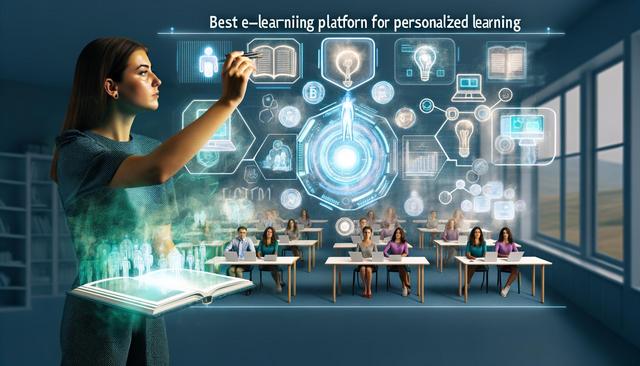
As the realm of digital education continues to evolve, e-learning platforms are increasingly offering personalized education experiences. In 2025, these platforms are expected to leverage advanced technologies to cater to individual learner needs more effectively. This guide explores the best e-learning platforms for personalized learning in 2025, providing insights into what makes them stand out, how they cater to diverse learning styles, and how they can be utilized for maximum educational benefit.
Personalized learning means adapting online courses, resources, feedback, and learning paths to the needs of each learner. For students, professionals, educators, and institutions, this approach can make digital education easier to follow because it focuses on pace, progress, and relevant content.
The Rise of Personalized E-Learning
Personalized learning has taken center stage in the world of digital education. With the advent of artificial intelligence and machine learning, e-learning platforms can now tailor content to meet the unique needs of each learner. In 2025, personalization will not just be a feature, but a foundation of successful e-learning strategies.
In an e-learning context, artificial intelligence refers to software systems that can process information and support automated decisions, such as recommending a course or adjusting a learning path. Machine learning is a related technology that uses data patterns to improve these recommendations over time. These concepts help explain why many online learning platforms now focus on more flexible and individualized experiences.
What is Personalized Learning?
Personalized learning refers to tailoring the educational experience to individual learning styles, preferences, and needs. It involves using data and analytics to provide learners with the most relevant materials, while also allowing them to learn at their own pace.
This can include several practical elements. A learner may receive course suggestions based on stated goals. A platform may offer extra practice after a difficult quiz. An educator may also use progress data to adjust lesson plans or recommend additional materials. The shared goal is to make the learning experience more responsive and easier to navigate.
Key Features of Top E-Learning Platforms in 2025
When choosing an e-learning platform, several features are essential for ensuring a personalized learning experience:
- Adaptive Learning Technologies: These technologies adjust the learning path based on a learner's strengths and weaknesses, optimizing their educational journey.
- Interactive Content: High engagement through videos, quizzes, and simulations makes learning more effective.
- Comprehensive Analytics: Platforms providing detailed analytics allow educators to track progress and adjust lesson plans as necessary.
- Mobile Compatibility: Ensuring that content is accessible on various devices is crucial for today's mobile-centric users.
These features are especially useful when learners have different schedules, goals, and levels of prior knowledge. Adaptive learning technologies can help organize content step by step. Interactive content can support practice and recall. Analytics can help identify progress, while mobile compatibility makes it easier to continue learning across devices.
| Feature | How it supports personalized learning |
|---|---|
| Adaptive Learning Technologies | Adjusts the learning path according to strengths, weaknesses, and progress. |
| Interactive Content | Uses videos, quizzes, and simulations to help learners stay engaged. |
| Comprehensive Analytics | Helps educators track progress and adapt lesson plans when needed. |
| Mobile Compatibility | Makes online courses accessible on different devices. |
Top E-Learning Platforms for Personalized Learning
The following e-learning platforms are presented because they are already mentioned for their role in online courses, digital education, and personalized learning. Each one supports learning in a different way, depending on the needs of the learner and the type of course content offered.
1. Coursera
Coursera remains a leader by incorporating machine learning to recommend courses that suit individual learning goals. Its partnerships with leading universities ensure high-quality content.
For learners, course recommendations can help narrow a large catalog into options that are more closely related to their goals. For educators and institutions, the use of data can support a clearer view of how learners move through online courses.
2. Udacity
Known for its tech-focused Nanodegree programs, Udacity offers a highly personalized learning experience with mentorship and real-world projects that provide practical skills.
Mentorship and project-based learning can make online study more concrete. In this model, learners do not only read or watch lessons. They also apply skills through projects and receive feedback connected to their work.
3. Khan Academy
Khan Academy leverages data-driven insights to customize learning experiences for students of all ages, emphasizing mastery learning and practice exercises.
Mastery learning means that students focus on understanding a topic before moving forward. Practice exercises can help identify what has been learned and what still needs review. This makes the learning process easier to follow, especially when students need repeated practice.
4. edX
With a robust assortment of free and paid courses from top universities, edX uses innovative tools to provide learners with a personalized path to achieving their educational goals.
Because edX includes free and paid courses from top universities, learners can explore different subjects and formats. A personalized path can help connect course choices with educational goals and preferred learning pace.
Case Studies of Effective Personalized Learning
University Partnerships with Coursera
The University of Michigan partnered with Coursera to create a data analysis course tailored for business professionals, using real-time analytics to adapt course content to meet diverse learner backgrounds.
This example shows how analytics can be used during a course, not only after it ends. Real-time analytics can help identify learner needs while the course is in progress, making it possible to adapt content for different backgrounds.
Udacity's Personalized Feedback System
Udacity has implemented a personalized feedback system in its Nanodegree programs, which resulted in improved completion rates and learner satisfaction scores due to timely and relevant feedback.
Personalized feedback is useful because it connects guidance to a learner's actual work. Instead of receiving only general comments, learners can benefit from feedback that is timely, relevant, and linked to the task they completed.
Actionable Insights for Implementing Personalized Learning
For educators and institutions aiming to integrate personalized learning, consider the following steps:
- Assess Learner Needs: Conduct thorough assessments to understand the needs and preferences of learners.
- Leverage Technology: Use advanced software to support adaptive learning paths and personalize course material.
- Monitor Progress: Utilize analytics tools to track learner progress and make data-driven adjustments.
- Seek Feedback: Regularly gather and incorporate feedback from learners to improve the learning experience.
These steps can be applied progressively. First, educators can identify learner needs through assessments. Then, they can use technology to provide adapted materials. After that, progress data can guide adjustments. Finally, learner feedback can help refine the online learning experience over time.
FAQ About E-Learning Platforms and Personalized Learning
What are e-learning platforms?
E-learning platforms are digital environments used to access online courses, learning materials, exercises, feedback, and progress tracking. They support learning through internet-based tools and content.
What makes personalized learning different from standard online learning?
Personalized learning adapts the educational experience to individual needs, preferences, pace, and goals. Standard online learning may provide the same content in the same order to every learner.
How do analytics support personalized learning?
Analytics help track learner progress. Educators and platforms can use this information to adjust lesson plans, recommend materials, or identify where more practice may be needed.
Why is mobile compatibility important for e-learning?
Mobile compatibility allows learners to access content on different devices. This is useful for people who study across multiple locations or need flexible access to online courses.
Which platforms are discussed in this guide?
This guide discusses Coursera, Udacity, Khan Academy, and edX, with attention to personalized learning, online courses, digital education, adaptive learning, and analytics.
Conclusion: Embracing the Future of E-Learning in 2025
As the educational landscape continues to shift towards personalization, e-learning platforms will play a crucial role in shaping the future of education. By choosing the right e-learning platforms and integrating personalized learning strategies, educators and learners alike can harness the full potential of digital education in 2025.
For a clear approach, learners and educators can focus on the features already described: adaptive learning technologies, interactive content, comprehensive analytics, and mobile compatibility. Together, these elements help make personalized learning more structured, accessible, and aligned with individual educational goals.

