
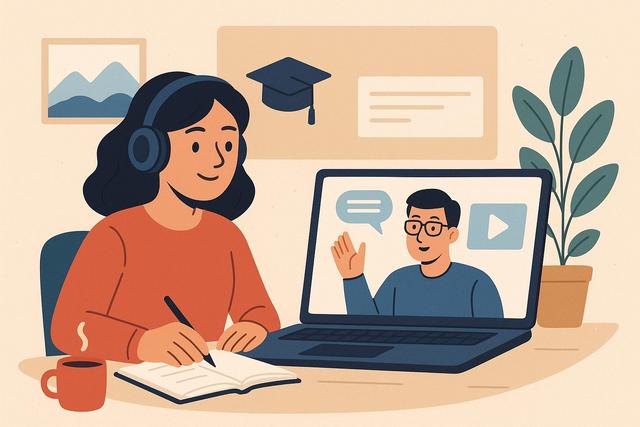
In today's digital era, starting a journey into the world of online learning can be both exciting and daunting, especially for beginners. With countless e-learning platforms available, choosing the right one is crucial for a smooth and rewarding learning experience. This guide will help you discover the best e-learning platforms tailored for beginners, ensuring a fast and successful start.
Understanding E-Learning Platforms
E-learning platforms have transformed the way we access education, providing flexible and accessible learning opportunities. These platforms host a wide range of courses, allowing users to learn at their own pace, interact with instructors, and connect with a community of learners. Understanding the basics of e-learning platforms will help you make informed decisions as a beginner.
Types of E-Learning Platforms
- Massive Open Online Courses (MOOCs): These platforms offer courses from top universities and institutions, often free of charge or with a small fee for certification. Examples include Coursera and edX.
- Learning Management Systems (LMS): Designed for educational institutions and businesses, LMS platforms like Moodle and Blackboard provide tools for managing and delivering coursework online.
- Corporate E-Learning Platforms: Tailored for employee training and development, platforms like LinkedIn Learning and Skillshare focus on professional skills enhancement.
Real-World Scenario
Imagine Sarah, a beginner eager to learn digital marketing. She chooses a MOOC platform, Coursera, to explore courses offered by reputed universities like Stanford and Pennsylvania. The platform's structured approach and recognized certifications make it an ideal starting point for her.
Key Features to Look for in an E-Learning Platform
Selecting the right e-learning platform involves evaluating certain key features to ensure it meets your learning goals and preferences.
User Interface and Experience
A simple and intuitive user interface is crucial for beginners. Platforms should provide easy navigation, clear instructions, and a user-friendly dashboard.
Course Variety
Beginners often explore various topics before focusing. Platforms offering a wide range of courses across disciplines provide flexibility and choice.
Interactive Elements
Interactive elements like quizzes, discussion forums, and live sessions enhance engagement and retention. A platform integrating these features can significantly improve the learning experience.
Certification and Accreditation
For career-oriented learners, recognized certifications can be beneficial. Platforms that offer accredited courses provide added value and better recognition in the job market.
Top E-Learning Platforms for Beginners
Based on the key features outlined, here are some of the best e-learning platforms suited for beginners.
Coursera
- Overview: Offers courses from universities around the world.
- Pros: Wide range of courses, university backing, recognized certifications.
- Cons: Some courses require a fee for certificates.
- Real-World Use: Ideal for those seeking structured, university-level courses with accreditation.
Udemy
- Overview: Known for its diverse range of courses on almost every subject.
- Pros: Affordable, lifetime access to purchased courses, community reviews.
- Cons: Course quality varies.
- Real-World Use: Perfect for hobbyists and professionals alike looking to gain new skills on specific topics.
LinkedIn Learning
- Overview: Focused on professional development and skill enhancement.
- Pros: Integration with LinkedIn, career-focused courses, expert instructors.
- Cons: Paid subscription required.
- Real-World Use: Suitable for professionals aiming to advance their careers through online learning.
| Platform Name | Details | Best For |
|---|---|---|
| Coursera | University-backed courses | Academic and career-oriented |
| Udemy | Diverse, topic-specific courses | Skill seekers and hobbyists |
| LinkedIn Learning | Professional development | Career-focused learners |
Practical Recommendations for Beginners
To make the most out of e-learning platforms, beginners should:
- Set Clear Goals: Define what you intend to achieve, whether it's a career change or a new skill.
- Create a Learning Schedule: Regular study sessions increase comprehension and retention.
- Engage with the Community: Participate in forums and discussions to enhance learning.
- Seek Feedback: Request feedback on progress from instructors and peers.
Common Mistakes to Avoid
Beginners often fall into pitfalls that can hinder their learning experience.
- Overcommitting: Taking on too many courses at once can lead to burnout.
- Ignoring Course Reviews: Overlooking reviews and ratings may result in engaging with subpar content.
- Skipping Interactive Elements: Engaging only with video content and neglecting quizzes or forums limits understanding and retention.
Conclusion
Starting with an e-learning platform can significantly impact your learning journey. By understanding your needs and choosing the right platform, you can maximize your educational outcomes. Remember to set clear goals, maintain engagement, and leverage the community for support and insight. With the right strategy, your foray into online learning will not only be swift but also deeply rewarding.
FAQs
What is an e-learning platform?
E-learning platforms are online systems that facilitate course delivery and learner engagement via digital means. They host a variety of courses designed for all levels of learners.
Which e-learning platform is best for university-level education?
Coursera and edX are renowned for offering university-backed courses that provide high-quality, structured learning experiences.
Can I access e-learning platforms on mobile devices?
Yes, many platforms, including Udemy and LinkedIn Learning, offer mobile applications for convenient learning on the go.
Are all courses on e-learning platforms free?
While some platforms offer free courses, others may require payment for premium courses or certifications. It's advisable to check individual course details.
How do I ensure course quality on e-learning platforms?
Review course descriptions, user feedback, and ratings before enrolling to ensure the content meets your expectations.

